How to Start Buying Football Cards in the UK
Getting Started with Football Cards
Football cards have been a staple of collecting in the UK for decades, with sets dating back to the 1970s and 1980s that now carry serious value. Whether you are drawn by nostalgia, the thrill of the hunt, or the potential for long-term investment, buying football cards can be an enjoyable and rewarding hobby. This article walks through the key steps for a beginner, from understanding the different product types to making smart purchases and caring for your collection.
Know the Main Product Types
Before spending any money, it helps to understand what is actually on the market. Football cards come in several forms, each with its own purpose and price point.
Sealed box, A factory-sealed box containing a set number of packs. Sealed boxes are popular with collectors who want the full unboxing experience and the chance of pulling rare cards. They also hold value as unopened collectibles themselves, especially older or limited-print boxes. The downside is cost: sealed boxes are usually the most expensive way to buy cards, and you have no idea what is inside until you open them.
Single card, Individual cards sold by themselves, often graded or raw. Buying singles is the most direct way to target specific players, teams, or card conditions. If you only want one card from a set, buying it as a single is almost always cheaper than chasing it through packs. The risk here is that you rely on the seller's description and photos, so condition and authenticity can be harder to verify.
Repack, A resealed pack or box containing a mix of cards from multiple sets, often sold by third-party sellers. Repacks can be a budget-friendly way to get a variety of cards, but they vary wildly in quality. Some repacks include guaranteed hits or rare cards, while others are essentially bulk commons. Always check what the seller claims about the contents and look for reviews before buying.
Knowing which product type fits your goals is the first step in any football card buying guide. If you want the excitement of opening packs, go for sealed boxes. If you want a specific player or card, singles are your best bet. Repacks sit somewhere in between, offering variety at a lower price but with less predictability.
Understand Card Condition and Grading
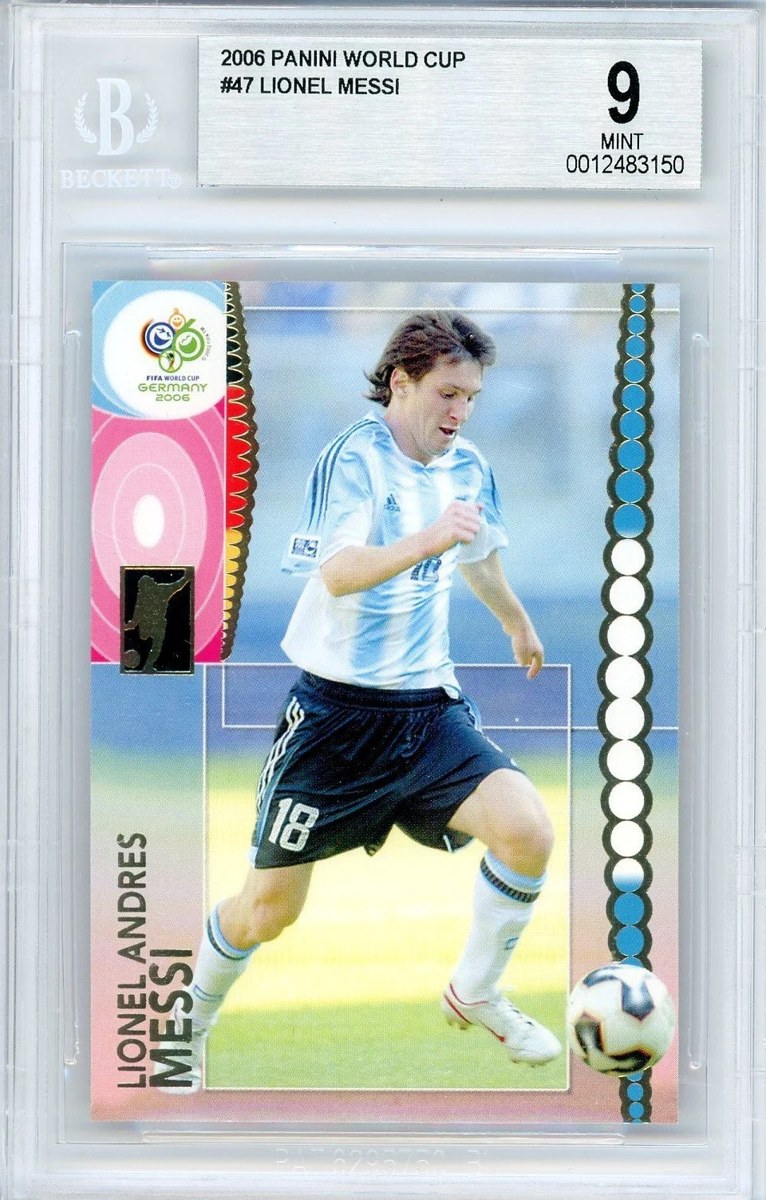
Condition is everything in football card collecting. A card that looks perfect to the naked eye might have a tiny scratch, a soft corner, or a surface dent that drops its value by half. Beginners often overlook this, but it is one of the most important things to check.
Cards are generally described as mint, near mint, excellent, good, or poor. Mint means no visible flaws; near mint might have a tiny imperfection; excellent and good show more wear; poor usually means creases, stains, or heavy edge wear. For modern cards (post-2000), mint or near mint is the standard. For vintage cards, some wear is expected, but still affects value.
Many serious collectors pay for professional grading, where a third-party service examines the card and assigns a numeric grade (usually 1 to 10). A high grade can multiply a card's value several times over. For beginners, it is wise to start with raw (ungraded) cards and learn to assess condition yourself before spending on graded pieces. Look for clear photos, ask sellers about scratches or dents, and compare with known high-grade examples online.
Learn to Check Market Value
Football cards fluctuate in price based on player performance, set popularity, and market trends. A card that was worth £50 last month might now be £80 if the player scored a hat-trick or got a big transfer. Conversely, a card can drop if a player underperforms or a new set releases that overshadows it.
The best way to gauge market value is to look at recent sold listings on auction sites or dedicated trading platforms. Do not rely on asking prices; what matters is what people actually paid. Look for multiple sales of the same card in similar condition. If a card has sold five times for between £30 and £40, then £35 is a reasonable ballpark. Be wary of a single high sale that might be an anomaly, or a seller asking far above recent averages.
Also consider the set's checklist, the full list of cards in that set. A common card from a large set will be worth less than a rare insert from a small set. Knowing the checklist helps you judge rarity and demand. Many online databases list checklists and print runs for modern sets, which can be a huge help when evaluating a potential purchase.

Factor in Shipping and Handling
When buying online, shipping cost can turn a good deal into a bad one. A card listed for £1 with £4 shipping costs more than a £3 card with free shipping. Always check the total cost before committing.
For single cards, look for sellers who ship in a rigid envelope or a cardboard sandwich to protect the card. For sealed boxes, shipping should be in a sturdy box with padding. If a seller uses a flimsy envelope for a sealed box, the box could get crushed in transit, damaging the cards inside. Ask the seller about their packaging method if it is not clear from the listing.
International shipping adds time and risk. If you buy from outside the UK, factor in customs fees and longer delivery windows. For your first few purchases, sticking to UK-based sellers can simplify things and reduce the chance of lost or damaged parcels.
Watch for Resealed Packaging
Unfortunately, the football card market has its share of bad actors. Resealed packaging is a known problem, especially for sealed boxes and rare packs. A resealed box looks original on the outside but has been opened, the valuable cards removed, and the box resealed with cheap cards or nothing inside.
How do you spot it? Look for signs of tampering: wrinkled or misaligned shrink wrap, glue residue on the box flaps, or a tear in the wrapper that looks like it was re-stuck. If the box's original seal is a sticker, check if the sticker has been lifted and reapplied. Compare the packaging to unboxing videos or photos of authentic boxes online. If something feels off, trust your gut and move on.
Stick to reputable sellers with good feedback and a track record of selling authentic product. If you are buying from a marketplace, read the seller's reviews carefully, especially the negative ones. A few complaints about resealed boxes are a major red flag.
Putting It All Together
A solid football card buying guide for a beginner is not about memorising every set or player. It is about building good habits: know what you are buying, check the condition, understand the market, account for shipping, and stay alert for tampering. With these basics in place, you can start building a collection that you enjoy and that holds its value over time.
Start small. Pick one set or one player that interests you and buy a few singles or a sealed box. See how it feels to open packs or hold a graded card. Learn from each purchase. Over time you will develop your own taste and your own sense of what is worth chasing. The football card community in the UK is active and welcoming, with plenty of online forums, social media groups, and live shows where collectors share tips and trade cards. Joining those conversations can accelerate your learning and make the hobby more fun.
Above all, buy what you enjoy. Cards that bring you pleasure are never a wasted purchase, even if they do not skyrocket in value. A collection built with care and knowledge will reward you for years to come.